
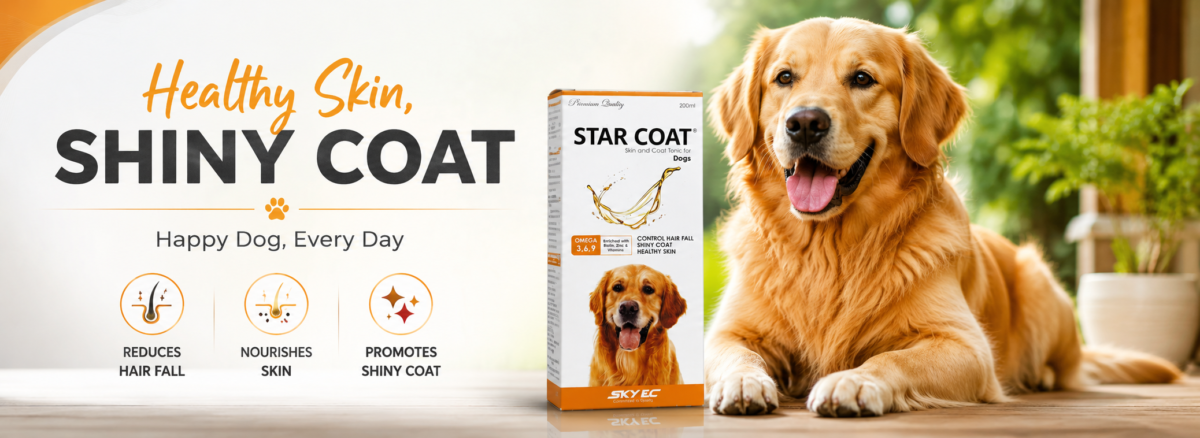
Dog hair loss can occur due to nutritional deficiencies, allergies, parasites, stress, seasonal shedding, or underlying health conditions. Maintaining proper nutrition, regular grooming, adequate hydration, and routine veterinary care can help support healthy skin and coat health in dogs.
Understanding Dog Hair Loss
A healthy coat is often a reflection of a dog’s overall wellbeing. While shedding is a normal part of the hair growth cycle, excessive dog hair loss can be concerning for pet parents.
If you notice increased hair fall, bald patches, dry skin, or a dull coat, it may indicate that your dog requires additional attention to its skin and coat health.
Understanding the causes of dog hair loss can help you take the right steps to improve your pet’s overall comfort and wellbeing.
Is Hair Loss in Dogs Normal?
All dogs shed to some extent. Shedding helps remove old or damaged hair and allows new hair to grow.
Normal shedding usually:
- Occurs seasonally or throughout the year
- Does not leave bald patches
- Does not cause skin irritation
- Does not affect coat quality significantly
However, excessive dog hair loss should not be ignored, especially if it is accompanied by itching, redness, or changes in coat texture.
Signs That Your Dog’s Hair Loss Needs Attention
Contact your veterinarian if you observe:
- Excessive shedding
- Visible bald spots
- Dry or flaky skin
- Constant scratching or licking
- Dull coat appearance
- Red or irritated skin
- Slow coat regrowth
Early intervention can help identify the underlying cause of dog hair loss before it becomes a larger issue.
Common Causes of Dog Hair Loss
1. Nutritional Deficiencies
One of the most overlooked causes of dog hair loss is inadequate nutrition.
Healthy skin and coat development require:
- High-quality protein
- Essential fatty acids
- Vitamins
- Minerals
Without proper nutritional support, dogs may experience:
- Weak hair follicles
- Excessive shedding
- Poor coat quality
- Dry skin
Omega fatty acids, Biotin, Zinc, and essential vitamins are particularly important for maintaining skin and coat health.
For pet parents looking to understand nutrients that support skin and coat wellness, learn more about skin and coat nutrition here : Star Coat
2. Dry Skin
Dry skin is a common reason for increased shedding and hair breakage.
Factors that may contribute include:
- Low humidity
- Frequent bathing
- Harsh shampoos
- Poor nutrition
Dogs with dry skin often scratch more frequently, which may worsen dog hair loss over time.
3. Allergies
Allergies are one of the leading causes of skin irritation in dogs.
Common triggers include:
- Food sensitivities
- Dust mites
- Pollen
- Grass
- Household chemicals
Persistent itching caused by allergies can damage hair follicles and contribute to excessive dog hair loss.
4. External Parasites
Ticks, fleas, and mites can significantly affect skin health.
Signs of parasite-related skin issues include:
- Excessive scratching
- Skin redness
- Hair thinning
- Localized hair loss
Maintaining a regular parasite prevention program is essential for protecting your dog’s skin and coat.
5. Stress and Anxiety
Stress can affect a dog’s overall health, including coat condition.
Common causes of stress include:
- Environmental changes
- Travel
- Separation anxiety
- Changes in routine
In some cases, stress-related shedding may appear as increased dog hair loss.
6. Underlying Medical Conditions
Certain hormonal and health conditions can impact hair growth cycles.
If dog hair loss is sudden, severe, or accompanied by other symptoms, a veterinary examination is recommended.
Essential Nutrients for Healthy Skin and Coat
Omega Fatty Acids
Omega fatty acids help support:
- Skin hydration
- Coat shine
- Healthy skin barrier function
A balanced intake of Omega 3, 6, and 9 fatty acids plays an important role in maintaining skin and coat health.
Biotin
Biotin contributes to healthy hair structure and supports normal skin maintenance.
Zinc
Zinc helps support:
- Skin repair
- Hair follicle function
- Healthy coat growth
Vitamins A, D and E
These vitamins support healthy skin, coat quality, and overall wellbeing.
How to Improve Your Dog’s Skin and Coat Health
Feed a Balanced Diet
A complete and balanced diet provides the foundation for healthy skin and coat development.
Maintain Regular Grooming
Routine brushing helps remove loose hair, distribute natural oils, and improve coat appearance.
Ensure Proper Hydration
Water is essential for maintaining healthy skin function.
Follow Tick and Flea Prevention Measures
Protecting your dog from parasites reduces the risk of skin irritation and secondary coat problems.
Schedule Regular Veterinary Check-Ups
Routine health examinations can help identify potential causes of dog hair loss before they progress.
When Should You Visit a Veterinarian?
Seek veterinary advice if your dog experiences:
- Persistent hair loss
- Bald patches
- Severe itching
- Skin infections
- Redness or inflammation
- Excessive shedding that continues for weeks
Prompt diagnosis often leads to better outcomes.
Veterinary Takeaway
While shedding is a normal part of a dog’s life, excessive dog hair loss may indicate nutritional deficiencies, skin irritation, allergies, parasites, or underlying health concerns.
Maintaining proper nutrition, routine grooming, hydration, and preventive healthcare can help support healthy skin and a shiny coat. Paying attention to early signs of skin and coat problems allows pet parents to take proactive steps toward improving their dog’s overall wellbeing