
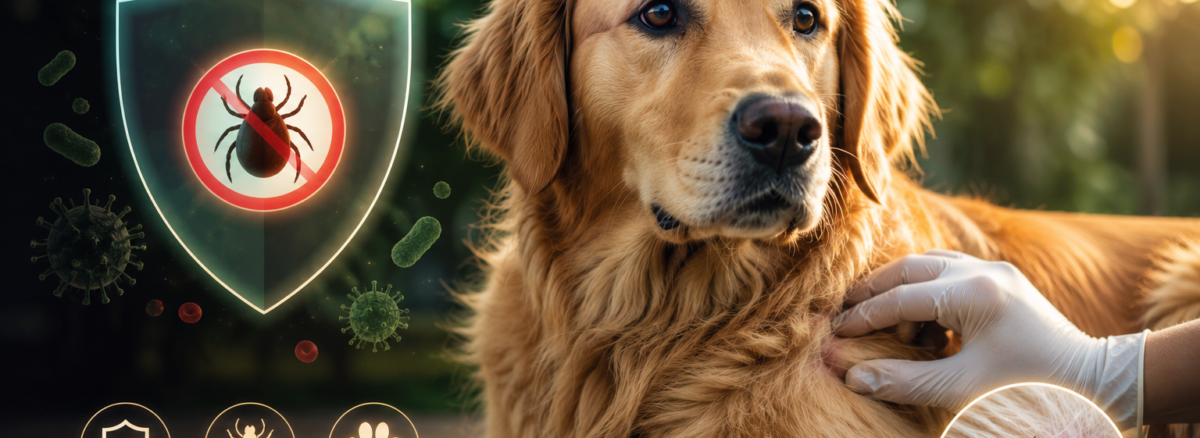
Ticks are more than just annoying parasites—they can pose a serious health risk to dogs. While a single tick bite may seem harmless, ticks can transmit harmful microorganisms that may lead to illness if left untreated. Dogs that spend time outdoors, visit parks, or walk through grassy areas are especially at risk of tick exposure.
Many pet parents ask, “Can ticks make dogs sick?” The answer is yes. Certain tick species can transmit diseases, cause skin irritation, and contribute to anemia when infestations are severe. Early detection, regular grooming, and preventive care are essential for keeping your dog healthy.
In this guide, you’ll learn how ticks affect dogs, the health risks they pose, warning signs to watch for, and practical steps to help reduce tick infestations.
Key Takeaways
- Ticks can transmit diseases that affect your dog’s health.
- Regular tick checks help detect parasites early.
- Early removal reduces the risk of disease transmission.
- Preventive grooming and parasite control are essential.
- Consult your veterinarian if your dog develops symptoms after a tick bite.
What Are Ticks?
Ticks are small, blood-feeding external parasites that attach themselves to a dog’s skin. They survive by feeding on the blood of animals and can remain attached for several days if not removed.
Ticks are commonly found in:
- Tall grass
- Bushes
- Forest trails
- Farms
- Gardens
- Parks
- Areas with dense vegetation
They typically attach around:
- Ears
- Neck
- Face
- Armpits
- Between the toes
- Around the tail
- Groin area
Because they are small and often hidden beneath the coat, ticks can easily go unnoticed.
Can Ticks Make Dogs Sick?
Yes. Ticks can affect dogs in several ways.
Besides causing discomfort and skin irritation, some ticks may transmit disease-causing organisms while feeding. The likelihood depends on factors such as the tick species, the duration of attachment, and the geographic region.
Potential health effects include:
- Skin irritation
- Persistent itching
- Local inflammation
- Hair loss around the bite site
- Secondary skin infections from scratching
- Blood loss during heavy infestations
- Transmission of tick-borne diseases
Not every tick carries disease, but prompt removal and prevention remain important.
Why Are Tick Bites Dangerous?
A tick bite is often painless, which allows the parasite to remain attached without immediate detection.
As the tick feeds, it may introduce saliva into the skin. In some cases, this saliva can carry infectious organisms capable of causing illness.
The longer a tick remains attached, the greater the potential risk of disease transmission.
Routine inspection after outdoor activities is one of the simplest ways to reduce this risk.
Common Tick-Borne Diseases in Dogs
Certain ticks can transmit infectious organisms that may lead to illness. The prevalence of these diseases varies by region.
Some commonly recognized tick-associated diseases include:
Ehrlichiosis
Ehrlichiosis affects the blood cells and immune system.
Possible signs include:
- Fever
- Loss of appetite
- Lethargy
- Swollen lymph nodes
- Bleeding disorders in severe cases
Babesiosis
Babesiosis affects red blood cells.
Symptoms may include:
- Weakness
- Pale gums
- Fever
- Reduced appetite
- Dark-colored urine
Prompt veterinary diagnosis is important.
Anaplasmosis
Dogs with anaplasmosis may experience:
- Joint pain
- Fever
- Reduced activity
- Loss of appetite
- Stiffness
Lyme Disease
In regions where Lyme disease occurs, infected dogs may develop:
- Lameness
- Swollen joints
- Fever
- Reduced energy
- Difficulty walking
Although Lyme disease is less common in some parts of India, awareness remains important, especially for dogs that travel.
Symptoms of Tick Infestation in Dogs
Not all dogs show obvious signs immediately.
Watch for symptoms such as:
- Frequent scratching
- Excessive licking
- Head shaking
- Small bumps on the skin
- Visible ticks
- Redness around bite sites
- Hair loss
- Restlessness
- Dull coat
- Bad skin odor
- Skin irritation
If you notice these signs, inspect your dog’s coat carefully or seek veterinary advice.
Dogs at Higher Risk
Some dogs are more likely to encounter ticks than others.
Higher-risk groups include:
- Dogs that spend time outdoors
- Working dogs
- Farm dogs
- Hunting dogs
- Dogs living near wooded or grassy areas
- Dogs visiting parks regularly
- Long-haired breeds where ticks are harder to detect
Regular tick prevention is particularly important for these dogs.
How to Check Your Dog for Ticks
After every outdoor walk, perform a quick tick inspection.
Carefully examine:
- Inside the ears
- Around the eyes
- Under the collar
- Neck folds
- Between the toes
- Armpits
- Groin
- Around the tail
- Belly
Run your fingers gently through the coat to feel for small bumps that could indicate attached ticks.
How to Reduce the Risk of Tick Infestation
Preventing ticks is easier than managing a heavy infestation.
Helpful preventive measures include:
- Inspect your dog after outdoor activities.
- Keep your dog’s coat clean and well-groomed.
- Maintain a tidy yard by trimming long grass and removing leaf litter.
- Wash bedding regularly.
- Vacuum indoor areas where pets rest.
- Follow your veterinarian’s parasite prevention recommendations.
Can Tick Bites Be Treated?
If you discover a tick on your dog, removing it promptly and correctly can help reduce irritation and lower the risk of disease transmission. Avoid pulling or crushing the tick with your fingers, as this may leave mouthparts embedded in the skin or increase the risk of infection.
Use a tick removal tool or fine-tipped tweezers if you are comfortable doing so. Grasp the tick as close to the skin as possible and pull it upward with steady, even pressure. After removal, clean the bite area with an appropriate antiseptic and wash your hands thoroughly.
If you are unsure how to remove a tick safely, or if the tick is deeply attached, seek assistance from your veterinarian.
When Should You Visit a Veterinarian?
While many tick bites cause only mild irritation, veterinary attention is important if your dog develops signs of illness after a tick bite.
Consult your veterinarian if your dog shows:
- Persistent fever
- Loss of appetite
- Unusual tiredness or weakness
- Pale gums
- Difficulty walking
- Swollen joints
- Vomiting or diarrhea
- Rapid weight loss
- Heavy tick infestation
- Skin infection around the bite site
Early diagnosis and treatment improve the chances of recovery from tick-borne illnesses.
How to Protect Your Dog from Ticks Throughout the Year
Tick prevention should be part of your dog’s routine healthcare, not just during one season.
Groom Your Dog Regularly
Brushing helps detect ticks before they become firmly attached and allows you to monitor your dog’s skin condition.
Inspect After Outdoor Walks
Check your dog’s coat after walks in parks, gardens, farms, or wooded areas where ticks are commonly found.
Keep Your Home and Yard Clean
Ticks can survive in the surrounding environment.
Maintain your outdoor space by:
- Trimming tall grass
- Removing weeds and leaf litter
- Washing pet bedding regularly
- Vacuuming indoor pet areas
Maintain Good Skin and Coat Health
Healthy skin and a well-maintained coat make routine inspections easier and support your dog’s overall wellbeing.
Provide:
- Complete and balanced nutrition
- Fresh drinking water
- Regular grooming
- Routine veterinary health checks
Follow a Veterinary Tick Prevention Plan
Your veterinarian may recommend products appropriate for your dog’s age, lifestyle, and local parasite risks. Following these recommendations consistently helps reduce tick exposure.
Common Myths About Ticks
Myth 1: Indoor Dogs Never Get Ticks
Not always. Ticks can enter homes on people, clothing, or other animals.
Myth 2: Only Long-Haired Dogs Get Ticks
Ticks can attach to any dog regardless of coat length.
Myth 3: One Tick Is Nothing to Worry About
Even a single tick may transmit disease depending on the species and duration of attachment.
Myth 4: Ticks Only Appear During Summer
Ticks are more active in warm and humid weather but may be present throughout the year in many regions, including much of India.
How TickFree Anti-Tick Dog Shampoo Supports Tick Control
Regular grooming is an important part of parasite prevention. When your veterinarian recommends an anti-tick shampoo, it can complement a broader tick control plan.
TickFree Anti-Tick Dog Shampoo is formulated for dogs over three months of age and offers:
- Triple-action formula for tick, flea, and lice control
- Veterinary-formulated ingredient (Cypermethrin 1% w/w) for anti-tick therapy
- Tea Tree Oil and Aloe Vera to help maintain coat condition
- pH-balanced formula suitable for routine use as directed
- Helps eliminate ticks, fleas, and lice within approximately 30 minutes of application according to product directions
For best results, use as directed on the product label and consult your veterinarian regarding an appropriate parasite prevention schedule.
Key Takeaways
- Ticks are external parasites that can affect your dog’s health.
- Some ticks may transmit diseases if they remain attached.
- Regular inspections help detect ticks early.
- Grooming, environmental hygiene, and veterinary-approved prevention are essential.
- Seek veterinary care if your dog develops fever, lethargy, or other concerning symptoms after a tick bite.
Conclusion
Ticks may be small, but they can pose significant health risks to dogs if left unnoticed. Understanding can ticks make dogs sick helps pet parents recognize the importance of routine tick checks, early removal, and preventive care.
Maintaining a healthy grooming routine, providing balanced nutrition, and following your veterinarian’s advice are key steps in protecting your dog from tick-related problems. Prompt veterinary attention is essential if your dog shows signs of illness after a tick bite.
When additional tick control is needed, veterinarian-recommended products such as TickFree Anti-Tick Dog Shampoo can be incorporated into a comprehensive parasite management plan. Used as directed, it helps control ticks, fleas, and lice while supporting a clean, healthy coat.