
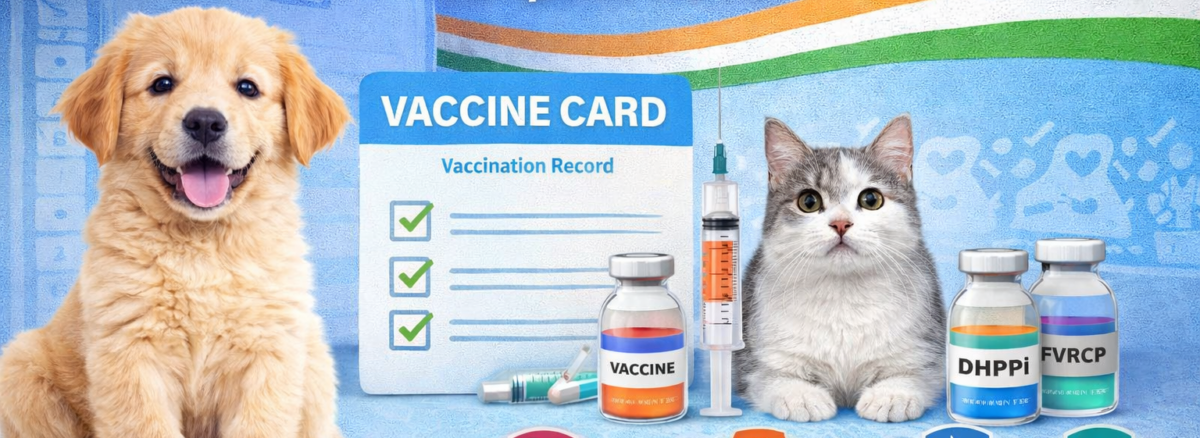
Bringing home a puppy or kitten is an exciting and emotional moment for any pet parent. These tiny companions quickly become part of the family, and their health and safety become our responsibility. One of the most important steps in raising a healthy pet is timely vaccination. Vaccines protect puppies and kittens from several dangerous and potentially fatal diseases that are common in India.
As pet parents, understanding when and why vaccines are given helps ensure that our pets grow into strong, disease-free adults.
-
Why Vaccination Is Important for Puppies and Kittens
Young animals are born with immature immune systems, which makes them highly susceptible to infections. In the first few weeks of life, they receive temporary protection through maternal antibodies from their mother’s milk (colostrum). However, this protection gradually decreases after a few weeks.
Vaccination helps the body develop active immunity by stimulating the immune system to recognize and fight disease-causing organisms. This prepares the body to respond quickly if the pet is exposed to the real infection.
Without vaccination, puppies and kittens are vulnerable to severe diseases such as:
- Viral infections that cause vomiting and diarrhea
- Highly contagious respiratory diseases
- Nervous system diseases
- Fatal zoonotic diseases that can spread to humans
Timely vaccination is therefore one of the most effective preventive healthcare measures for pets.
In India, veterinarians generally start vaccinating puppies at 6–8 weeks of age, followed by booster doses to ensure strong immunity.
-
Core Vaccines for Puppies
Core vaccines protect against the most dangerous diseases and are recommended for all dogs.
These include protection against:
- Canine Parvovirus– causes severe vomiting, diarrhea, and dehydration.
- Canine Distemper– affects respiratory, digestive, and nervous systems.
- Canine Adenovirus (Hepatitis)– causes liver damage.
- Canine Parainfluenza– respiratory infection.
- Rabies– a fatal disease that can also infect humans.
-
Typical Puppy Vaccination Schedule in India
6–8 Weeks Age
- First DHPPi or 7-in-1 vaccine
- Distemper
- Hepatitis
- Parvovirus
- Parainfluenza
Sometimes Leptospirosis depending on region
9–11 Weeks Age
· Second DHPPi booster
12–14 Weeks Age
· Third DHPPi booster
12–16 Weeks Age
· Rabies vaccination (mandatory in India)
16–18 Weeks Age (optional but recommended)
· Additional booster in high-risk areas
-
Annual Booster
- DHPPi booster
- Rabies booster every year (as per Indian regulations)
Some veterinarians may also recommend Leptospirosis vaccine, especially in urban areas where exposure to contaminated water or rodents is possible.
Vaccination Schedule for Kittens
Like puppies, kittens also need protection from several viral infections. Vaccination usually begins at 6–8 weeks of age.
Core Vaccines for Kittens
Core vaccines protect against the most common and serious diseases in cats.
These include protection against:
- Feline Panleukopenia (Cat Parvo)– causes severe diarrhea, dehydration, and immune suppression.
- Feline Calicivirus– respiratory infection and oral ulcers.
- Feline Herpesvirus (Rhinotracheitis)– severe respiratory disease.
- Rabies– fatal disease transmissible to humans.
-
Typical Kitten Vaccination Schedule in India
6–8 Weeks Age
- First FVRCP vaccine
- Feline Viral Rhinotracheitis
- Calicivirus
- Panleukopenia
9–11 Weeks Age
- Second FVRCP booster
12–14 Weeks Age
- Third FVRCP booster
12–16 Weeks Age
- Rabies vaccination
Annual Booster
- FVRCP booster
- Rabies booster
Some veterinarians may also recommend additional vaccines depending on the cat’s lifestyle, such as:
- Feline Leukemia Virus (FeLV)for outdoor cats
- Chlamydia vaccinein multi-cat households
-
Tips for Pet Parents During Vaccination
As responsible pet parents, a few simple precautions can make vaccination smoother and safer.
- Deworm Before Vaccination
Puppies and kittens should be dewormed before vaccination, as intestinal parasites can weaken the immune response.
- Vaccinate Only Healthy Animals
If your pet has fever, vomiting, diarrhea, or weakness, vaccination should be postponed until the pet recovers.
- Maintain Proper Records
Always keep a vaccination card with dates and next due vaccines. This helps avoid missed boosters.
- Avoid Stress After Vaccination
After vaccination, pets may feel slightly tired or develop mild fever for a day. Provide rest and avoid excessive exercise.
- Limit Outdoor Exposure Before Full Vaccination
Young puppies and kittens should avoid public areas and contact with unknown animals until their primary vaccination series is completed.
-
Common Side Effects After Vaccination
Most vaccines are very safe. However, mild reactions may occur, such as:
- Slight swelling at injection site
- Mild fever
- Temporary loss of appetite
- Lethargy for a day
These signs usually resolve within 24 hours. If severe symptoms such as vomiting, breathing difficulty, or facial swelling occur, contact your veterinarian immediately.
-
The Role of Pet Parents in Disease Prevention
Vaccination is not just a medical procedure—it is a responsibility of every pet parent. Many deadly diseases like parvovirus, distemper, and rabies are still common in India. Timely vaccination protects not only our pets but also other animals and even human family members.
By following the recommended vaccination schedule, maintaining hygiene, and consulting a veterinarian regularly, pet parents can ensure that their puppies and kittens grow into healthy, happy companions for many years.
In simple terms:
Vaccination is the first step in giving your puppy or kitten a safe, healthy, and disease-free life.